Roof Replacement Cost in 2026: Materials, Labour and Warning Signs
A roof replacement is one of the few home projects where waiting is genuinely expensive. A small leak can rot the deck, saturate insulation and damage ceilings within a season. But a roofer who recommends a full replacement on the first visit may be right, or may be selling the most profitable job on the list. The difference is evidence.
What drives the price
Roof area is the first variable, but not the only one. Pitch, access, height, the number of valleys and chimneys, and whether the old roof needs a full strip all change the labour. A simple gable roof on a bungalow is the cheapest shape; a hipped roof with dormers, valleys and a chimneystack is the most expensive.
As a working figure, budget $80 to $140 per square metre for asphalt shingles, $100 to $170 for concrete tiles and $140 to $200 or more for natural slate, including labour and materials but excluding scaffolding and any structural repairs. A typical three-bedroom semi with a roof area of 90 to 120 square metres lands between $9,000 and $25,000.
Material comparison
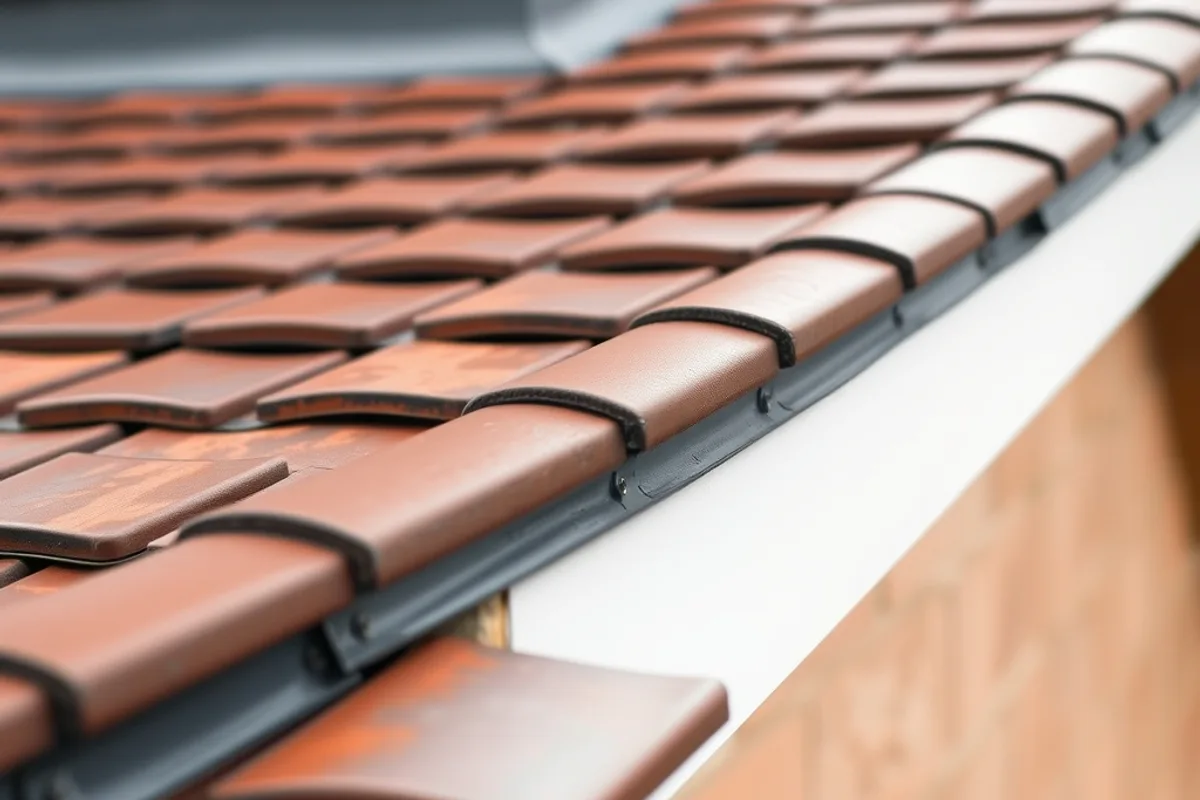
Asphalt shingles are the cheapest and fastest to install, with a lifespan of around 20 years. They suit most pitched roofs and are easy to repair. Concrete tiles cost more but last around 40 years, handle frost well and need less maintenance. Clay tiles are similar in life and offer a traditional look, but they are heavier and more brittle underfoot.
Natural slate is the premium option: 60 years or more, excellent in rain, and visually appropriate for older properties. It is also heavy, requiring a structure that can carry it, and it needs a skilled slater. Metal standing seam is light, long-lasting and good on low pitches, but it is expensive and its appearance divides opinion.
Do not forget the details
Most leaks happen at the details, not in the field of tiles: flashing around chimneys, the junction with a wall, valleys, and the eaves. A quote that lists only tiles and labour is incomplete. Ask how the flashing will be renewed, whether the felt or membrane will be replaced, and whether new battens, vents and a ridge system are included.
Repair or replace?
A single slipped tile, a localised leak or a failed flashing is a repair. Widespread granule loss, multiple cracked tiles, sagging lines, daylight visible through the roof from the loft, or repeated leaks in different places point toward replacement. Age alone is not a reason, but a roof past its expected life with several small failures usually costs more to keep patching than to renew.
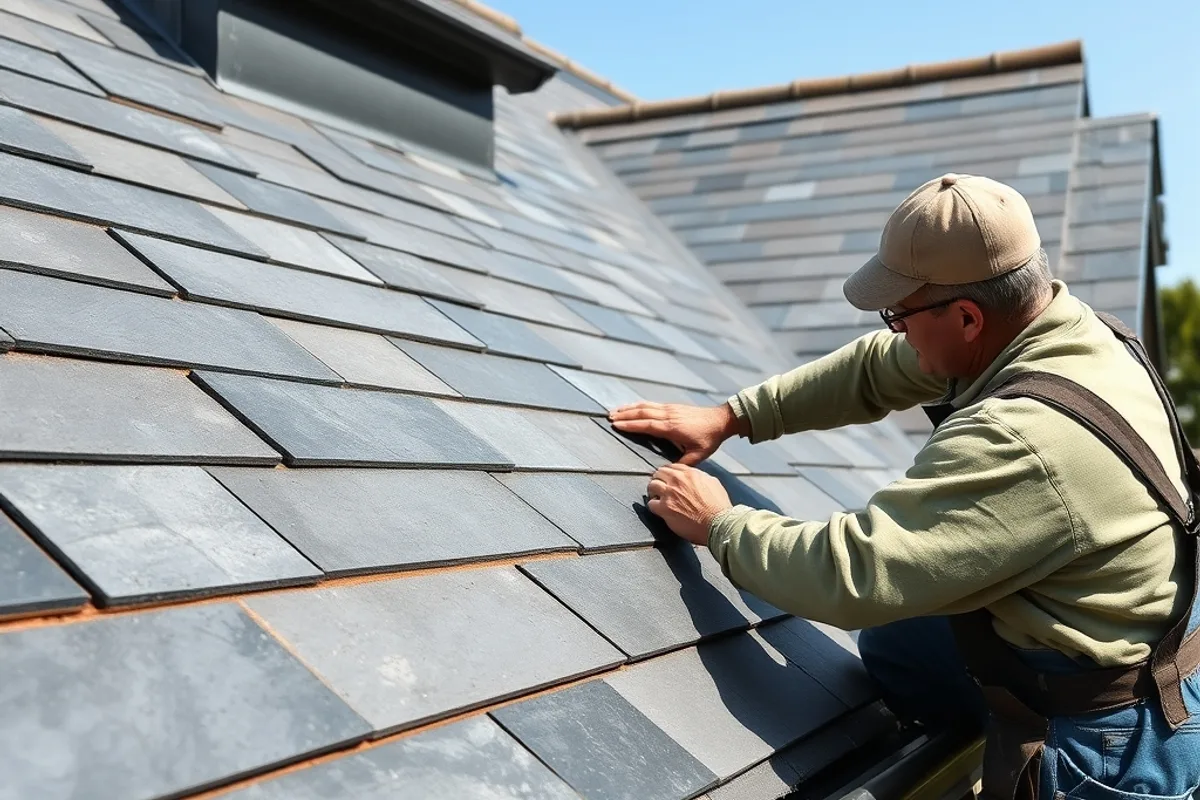
Ask the roofer to show you photographs of the problem areas, not just describe them. A reputable contractor will take images from the roof or the loft and explain what each one shows. Get three quotes for the same written specification so you are comparing like with like.
The loft inspection
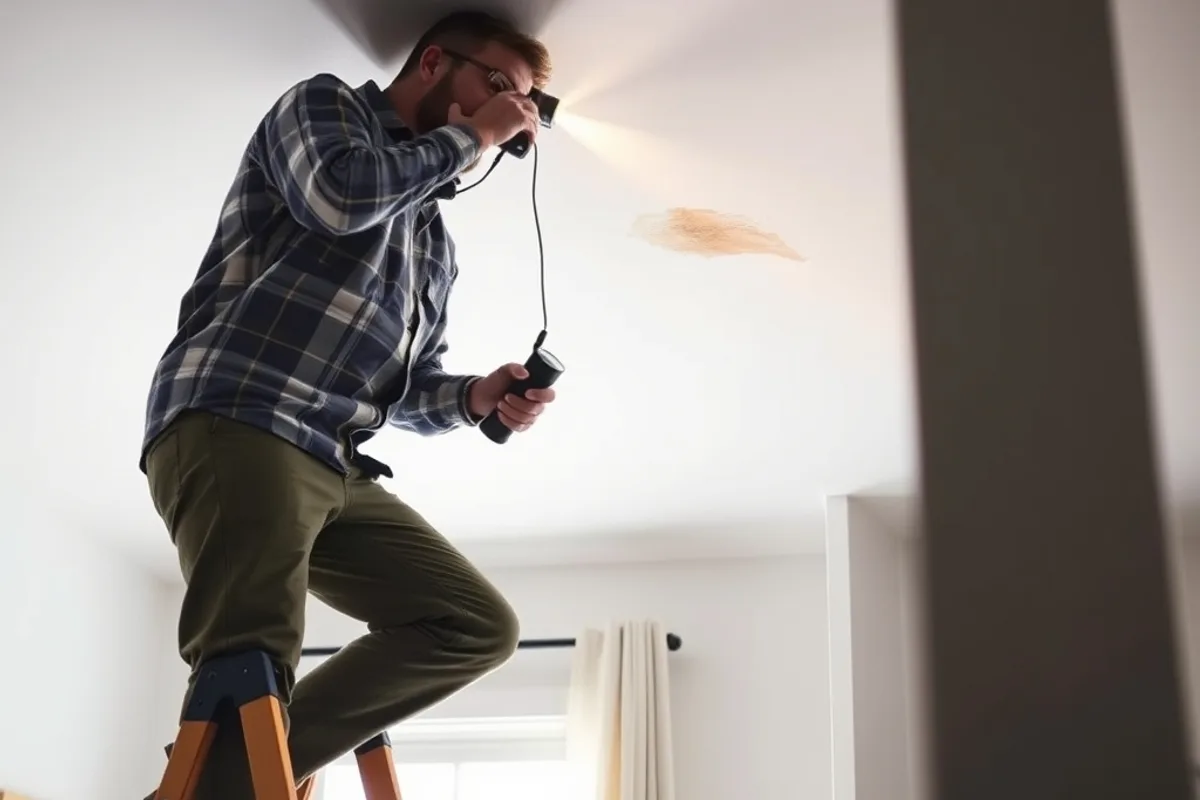
Go into the loft with a torch. Look for staining on the rafters and the underside of the roof deck, daylight between tiles, damp insulation, and any sagging. Check that vents are clear and that the insulation does not block the eaves. Photograph anything that looks wrong and date the images so you can track changes.

What a proper quote includes
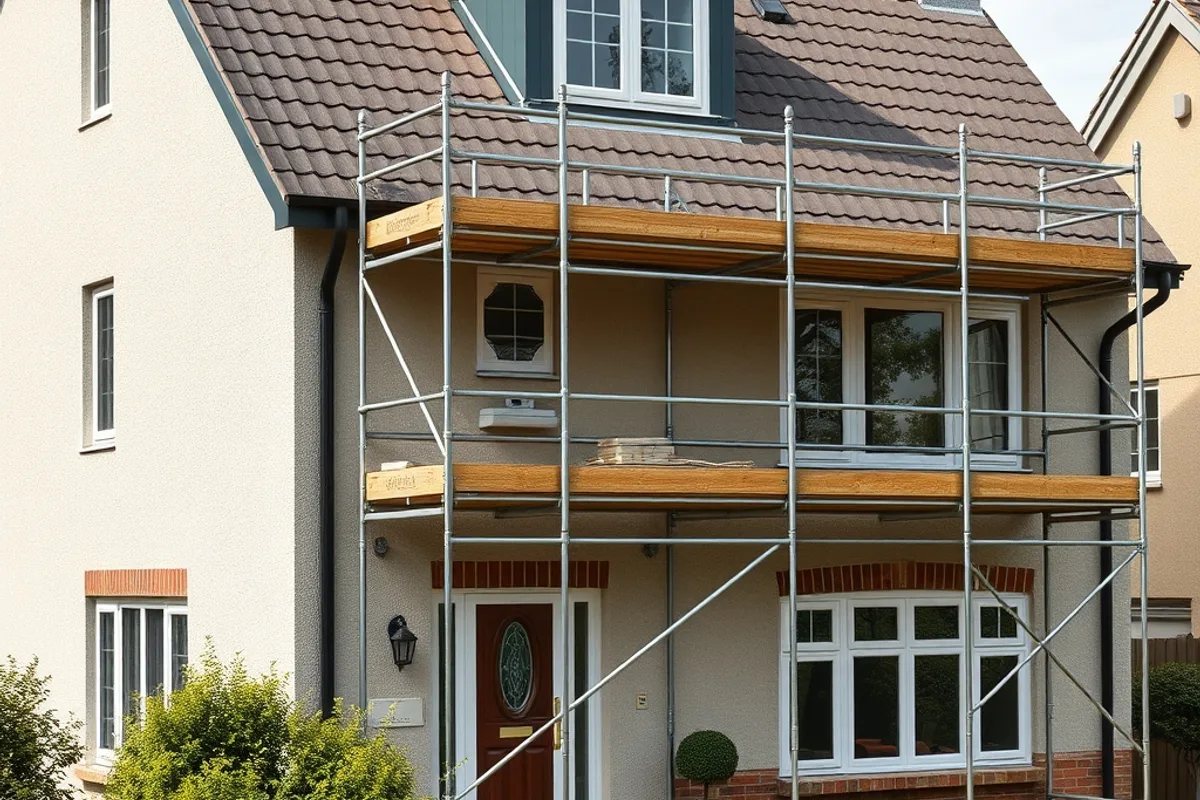
A complete quote should list: strip and disposal of the old covering, inspection and repair of the deck and battens, the underlay or membrane, the new covering, flashing, valleys, ridge and hip details, ventilation, scaffolding, and making good. It should state the expected start date, duration, payment schedule and warranty terms in writing.
Be wary of a large deposit before work starts. A reasonable schedule pays for materials at delivery and the balance in stages as work is completed. Check insurance and any trade certification, and confirm who is responsible for permits or building notices if the work is structural.
Warranty language matters: a 20-year material warranty may cover only the tiles, not the labour or the flashing. Ask what is covered, for how long, and who honours the claim if the installer stops trading.
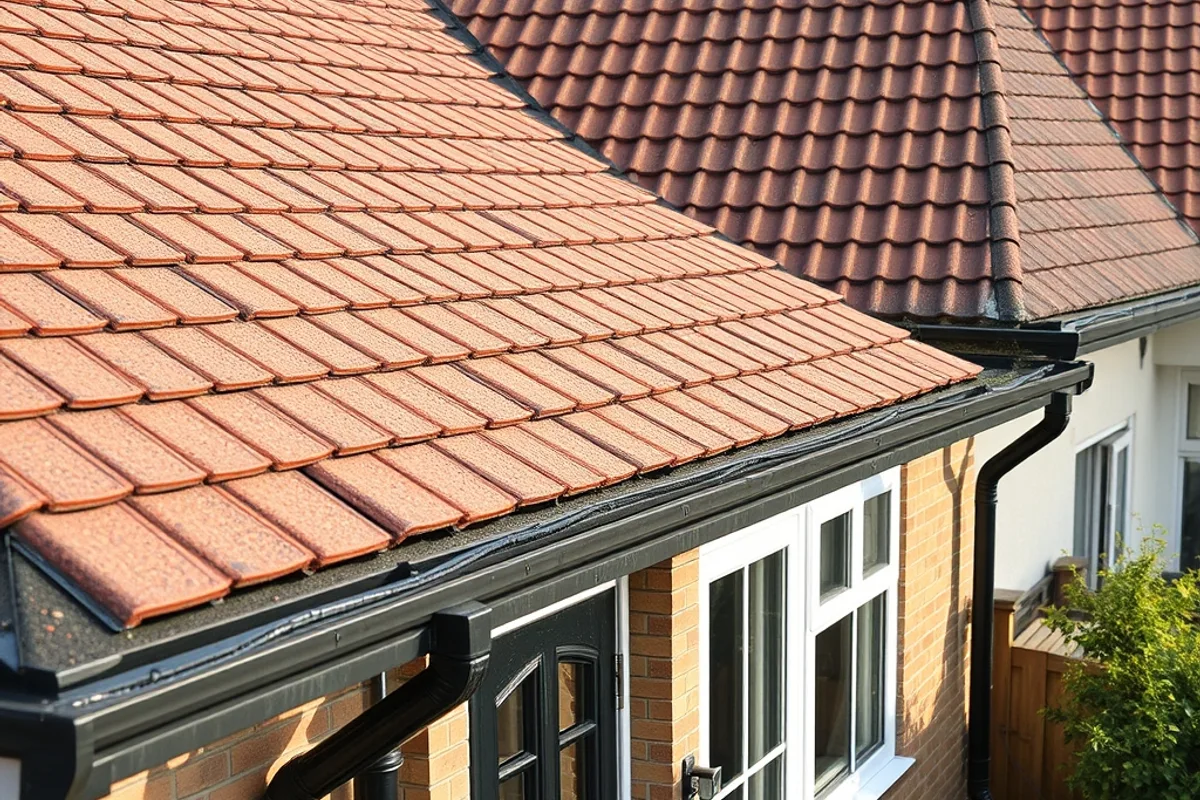
Maintenance after replacement
Keep gutters clear, especially after autumn leaf fall. Check flashing and chimney joints annually, and look for cracked or displaced tiles after storms. Trim overhanging branches so they do not abrade the surface or drop debris into valleys. A five-minute check from the ground with binoculars catches most problems early.
If you notice a leak, contain it and call a roofer rather than climbing onto a wet roof. Our roof leak guide explains the warning signs and the emergency steps that limit damage before the contractor arrives.
The bottom line
Expect $80 to $200 per square metre depending on material, with scaffolding and detailing as separate lines. Compare three like-for-like written quotes, inspect the loft, and insist on photographs of the defects. Replace when the evidence says replace, repair when it says repair, and maintain either way.
For official guidance, see International Code Council building standards.
We cross-check our advice against independent, official sources. For construction cost data see the National Association of Home Builders, and for building standards see the International Code Council.