Patio and Deck Materials Compared: Cost, Lifespan and Upkeep
A patio or deck is the most-used room in many gardens and the one most often chosen by colour rather than performance. The material determines how it feels underfoot, how it drains, how often you clean it and how long it lasts before it needs replacing. Those four things matter more than the shade of grey.
Porcelain: the low-effort default
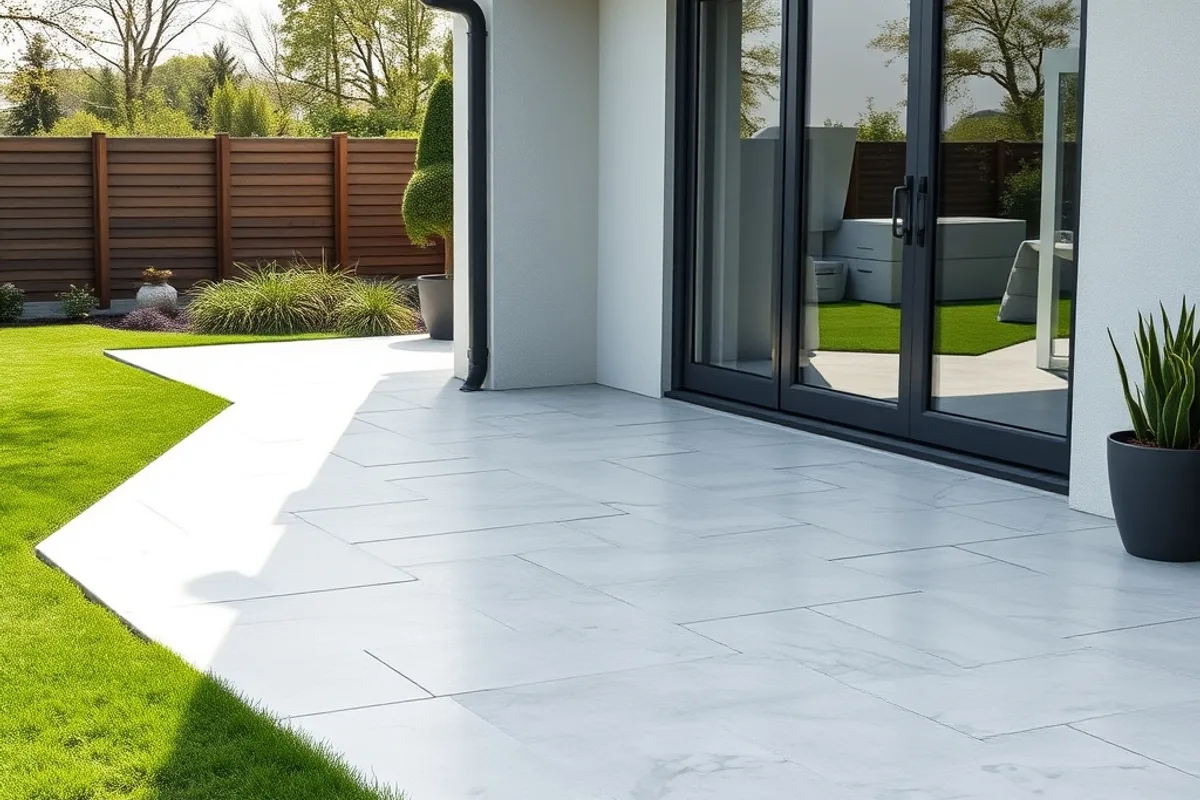
Porcelain paving is a fired clay product with very low water absorption, which makes it frost-resistant and stain-resistant. It does not need sealing, does not grow moss easily and can be cleaned with a broom and a bucket. Installed cost ranges from about $90 to $160 per square metre including the sub-base.
The catch is installation quality. Porcelain is thin and rigid, so it needs a properly compacted sub-base and, on many systems, a bonding layer or pedestals. A poor base causes movement and cracked tiles. Choose a textured finish for areas that get wet, because polished porcelain is genuinely slippery.
Natural stone: character with a maintenance tail
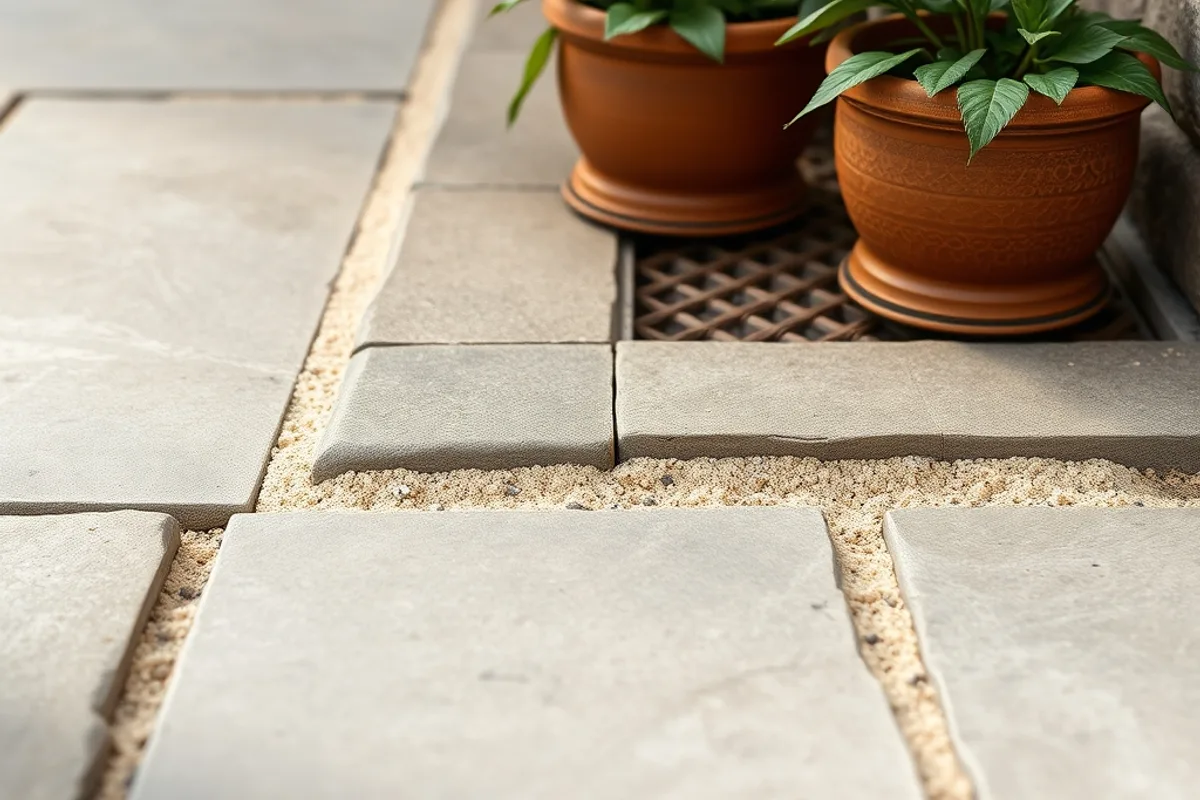
Sandstone, limestone and slate bring colour variation and a softer, older feel. Installed costs run from $100 to $200 per square metre depending on the stone and the pattern. Natural stone is durable, often lasting forty years or more, but it needs sealing every few years and can attract moss in damp, shaded spots.
Stone varies from batch to batch, so order enough for the whole project plus 10 percent for cuts and future repairs. Check the thickness and the slip rating, and ensure the base falls away from the house at roughly 1:80 so water does not pool against the wall. Jointing sand needs topping up after heavy rain in the first year.
Concrete slabs: the budget option
Concrete slabs are the cheapest paving and can look clean and modern in a large format. Expect $40 to $80 per square metre installed. They are heavy and durable but can stain, and cheap slabs may spall in hard frost. Sealing helps, and a simple rectangular pattern with tight joints looks better than an elaborate design with wobbly lines.
Timber decking: warm but demanding
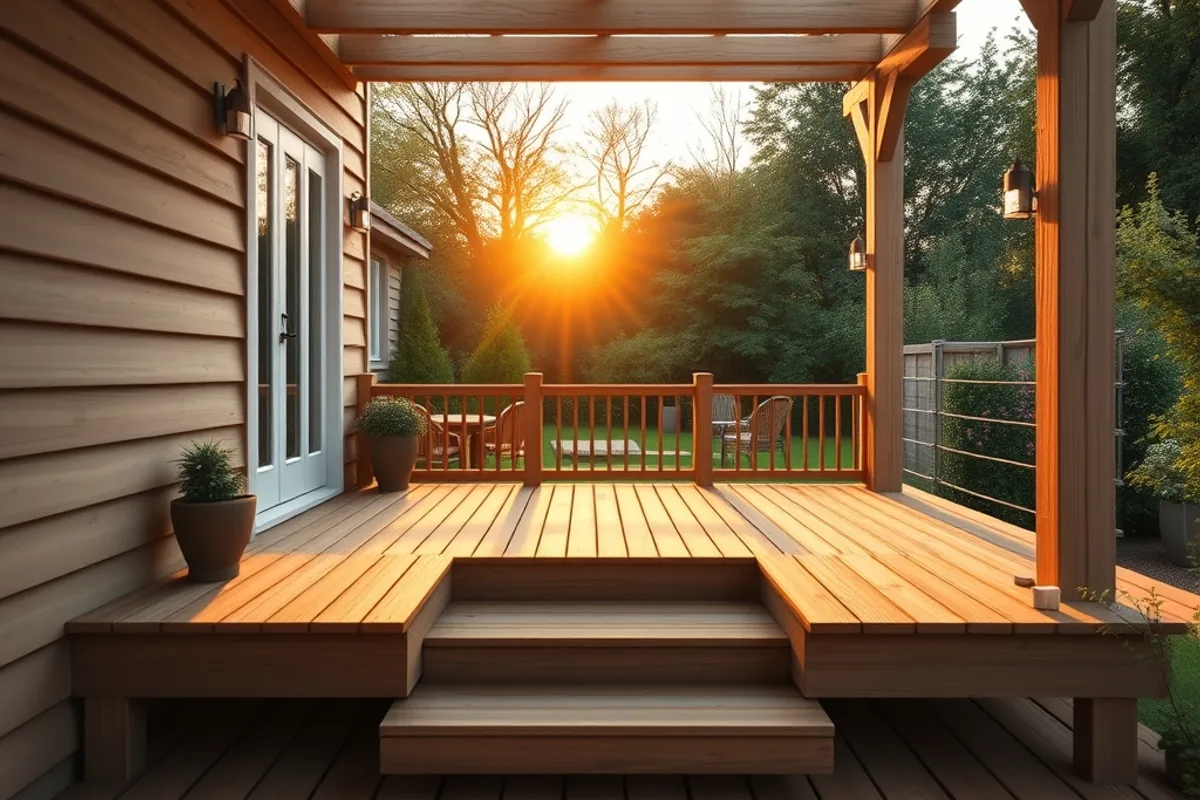
Timber decking is comfortable, relatively cheap and easy to build over uneven ground. Installed cost is about $80 to $140 per square metre for treated softwood, more for hardwood. It needs cleaning and re-oiling every one to two years, and the structure below must be ventilated to prevent rot.
Use stainless or coated fixings, leave gaps of 5 to 8 millimetres between boards for drainage and air movement, and keep the deck at least 150 millimetres below the damp-proof course of the house. A deck built tight to the wall traps water and rots from the inside, which is expensive to discover.
Composite: lower upkeep, higher upfront
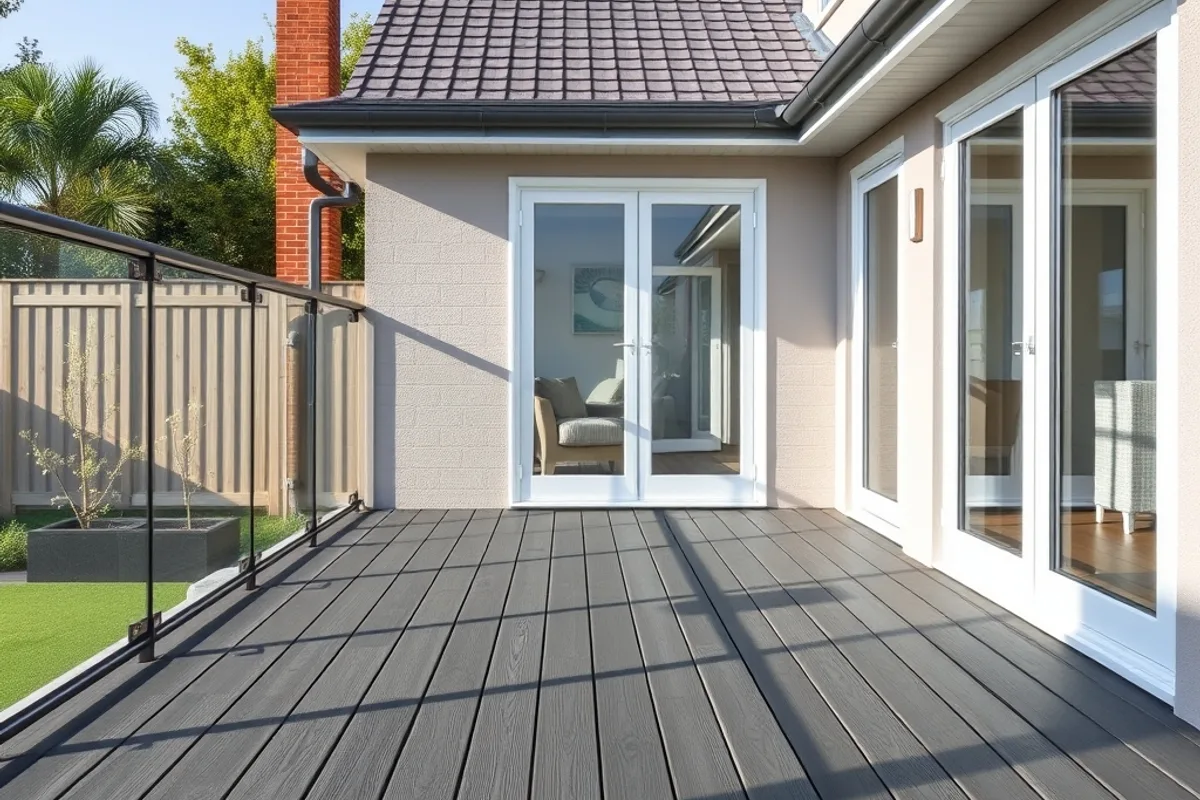
Composite decking is made from wood fibre and plastic. It costs $120 to $200 per square metre installed, needs no annual oiling, and resists rot and insects. It can fade slightly and expands and contracts with temperature, so the fixing system and end gaps must follow the manufacturer's instructions.
Cheaper composites can get uncomfortably hot in full sun and may look plasticky up close. Mid-range boards with a brushed or capped finish look more convincing and stay cooler. Composite is a good choice for a shaded deck or a household that will not maintain timber.
Drainage, levels and the details that fail
Every hard surface needs a fall away from the building and a route for water to reach a drain or a soakaway. A patio laid flat against a wall will send water into the brickwork. A deck with no gap beneath it will hold moisture and rot. These are the failures that cost far more than the surface material.
Think about the edge. A crisp border, a hidden drainage channel or a gravel margin makes the whole surface look finished. Steps need a rise of about 15 to 18 centimetres and a tread of at least 30; anything steeper is a trip hazard. If the surface is more than 30 centimetres above the ground, a balustrade is usually required.
Lighting should be planned before the surface is laid. Cable ducts under the patio, or low-voltage fittings in the deck, are far cheaper to install during the build than to retrofit. A couple of warm uplights on a wall or a tree will do more for the garden at night than floodlights.

Choosing between them
If you want the least maintenance and a modern look, choose porcelain. If you want character and are willing to seal and sweep, choose natural stone. If the budget is tight and the ground is flat, concrete slabs are fine. If you want a warm surface and a raised level, timber or composite decking makes sense, with composite chosen when maintenance will otherwise be neglected.
Whichever material you choose, spend on the sub-base and the drainage before you spend on the finish. Our low-maintenance garden guide explains how the patio should fit into the planting and circulation of the whole garden.
The bottom line
Porcelain for low upkeep, stone for character, concrete for budget, timber for warmth and composite for low-maintenance decking. Price the base, the edges and the drainage as part of the job, not as extras. The surface you walk on is only as good as what holds it up.
For official guidance, see International Code Council building standards.
We cross-check our advice against independent, official sources. For construction cost data see the National Association of Home Builders, and for building standards see the International Code Council.