Kitchen Remodel Budget 2026: Where the Money Actually Goes
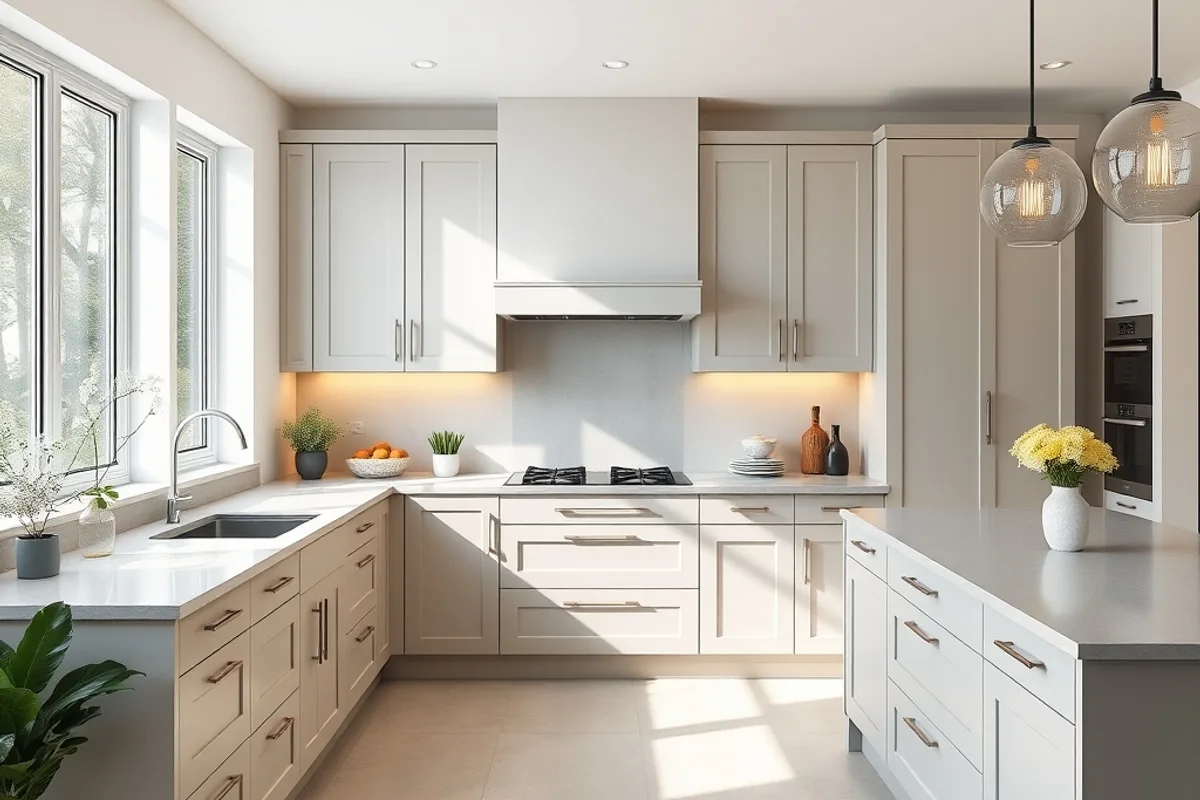
A kitchen remodel has a way of consuming its own budget. The cabinets arrive over estimate, the electrics need upgrading once the walls are open, and the worktop is measured after the units are fitted rather than before. None of these are rare events. They are predictable costs that most budgets simply omit.
The component breakdown
Think of a kitchen as six budgets stacked together: design and labour, cabinetry, worktops, appliances, plumbing and electrics, and finishes. Most homeowners focus on the visible four and underestimate the invisible two, which is exactly where the overspend lives.
On a $40,000 remodel, a plausible split is $12,000 to $16,000 for cabinets, $8,000 to $12,000 for installation and trades, $4,000 to $7,000 for worktops, $4,000 to $8,000 for appliances, $3,000 to $5,000 for plumbing and electrics, and $2,000 to $4,000 for flooring, tiling, lighting and paint. The ranges are wide because the specification is wide.
Cabinetry: where the quality hides
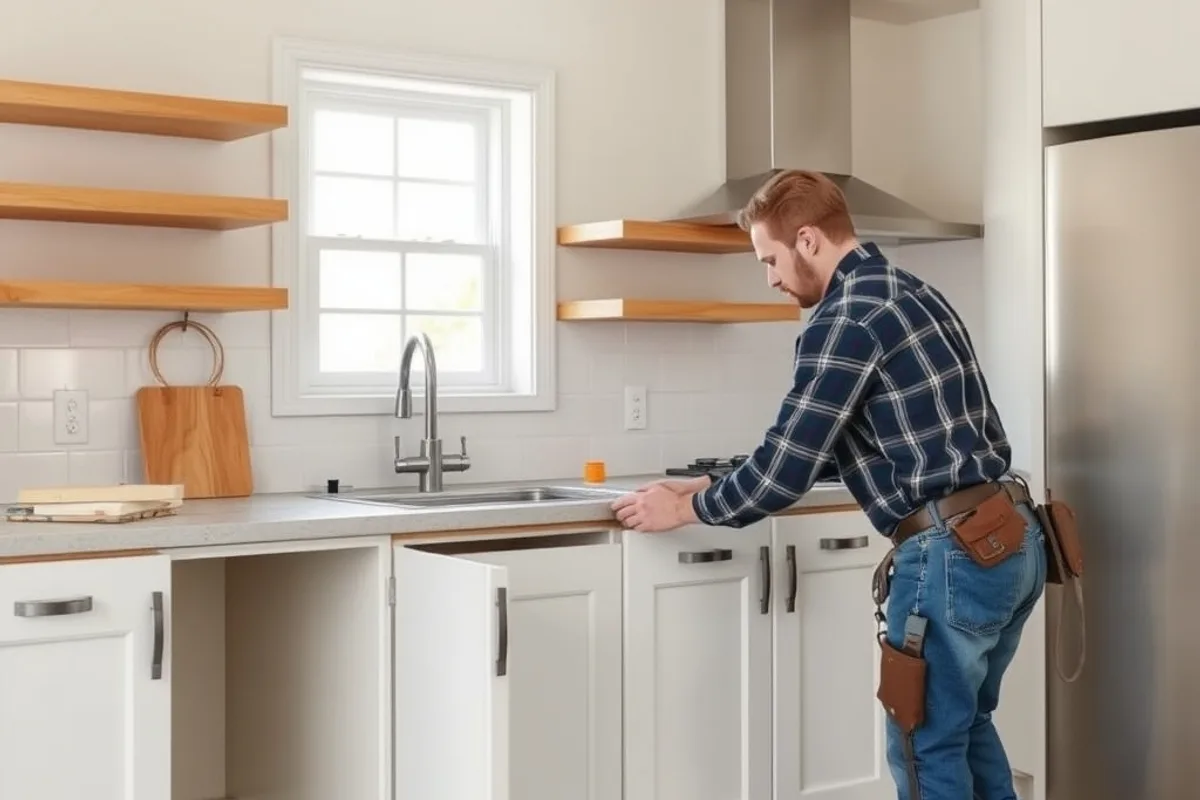
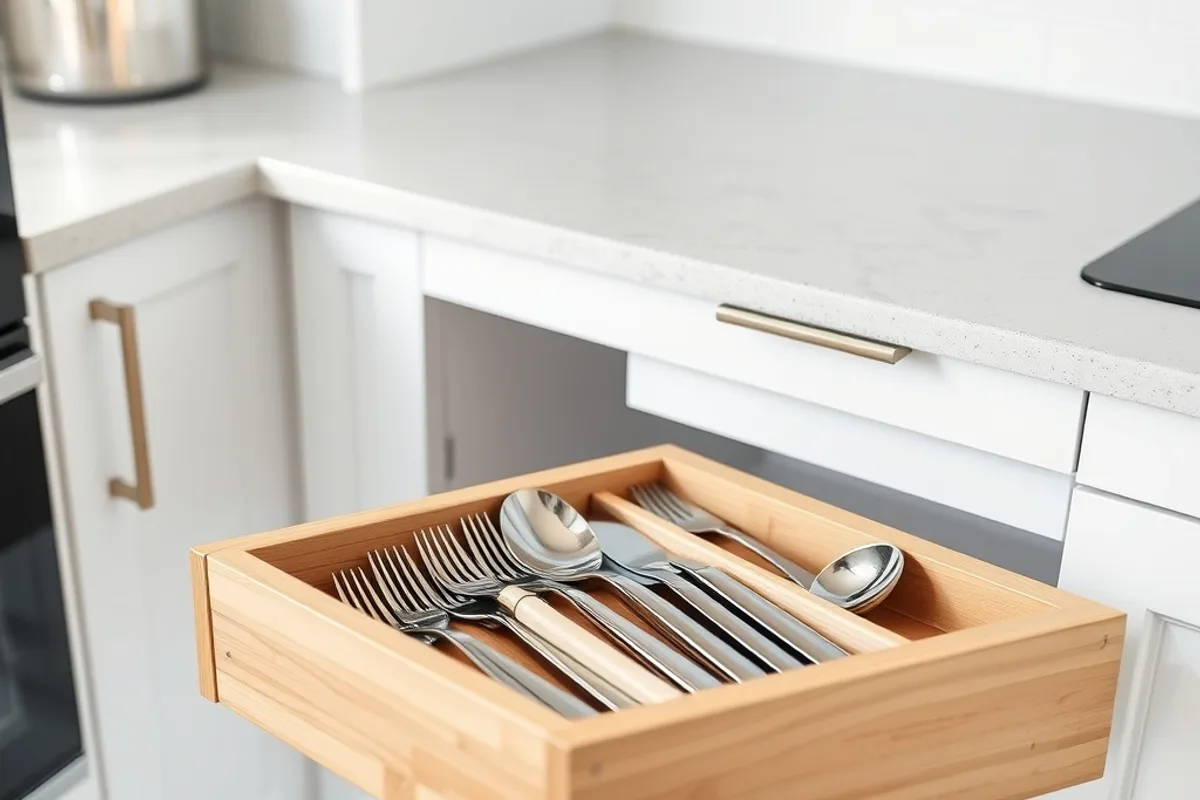
Cabinet carcasses and hinges matter more than door fronts. A rigid 18mm carcass with quality soft-close hinges will outlast a fancier door on a flimsy box. Ask about the drawer runners: metal-sided, full-extension runners with a load rating are worth the upgrade in the drawers you use daily.
Bespoke cabinetry costs $800 to $1,500 per linear metre installed, while flat-pack and ready-to-assemble ranges run $250 to $600. Mid-range made-to-measure sits between. The cheapest option is not automatically bad, but it limits the sizes available and often forces filler panels that waste storage.
Do not cut the internals
Corner mechanisms, pull-out larders and deep drawers are functional upgrades that change how a kitchen works. They are also the first items deleted when the budget tightens. Keep at least the corner solution and one deep pan drawer; removing them saves a few hundred and costs years of annoyance.
Worktops: priced by the metre and the edge
Laminate costs $60 to $150 per linear metre and has improved enormously, but it cannot take a hot pan or a deep scratch. Solid surface runs $180 to $350, quartz $250 to $500, and natural stone $300 to $700 before fabrication. Granite and quartz need templating after the cabinets are installed, which adds a week to the programme.
The edge profile and cut-outs are frequently missed in quotes. A sink cut-out, hob cut-out and polished edge can add $300 to $800 to a quartz installation. Ask for a fully itemised fabrication quote, including upstands and any waterfall ends.
Appliances: match the cooking, not the brochure
Spend on the hob, oven and extractor, because those affect daily cooking. An integrated fridge and dishwasher can be mid-range without much loss. Check the extraction rate for the hob type: gas needs more extraction than induction, and recirculating filters are not a substitute for ducting to the outside.
Measure appliance cavities before ordering cabinets. A fridge that needs 5 centimetres of ventilation at the back will not fit into a run designed flush to the wall, and the error is usually discovered after the units are fixed.
Plumbing and electrics: the invisible budget
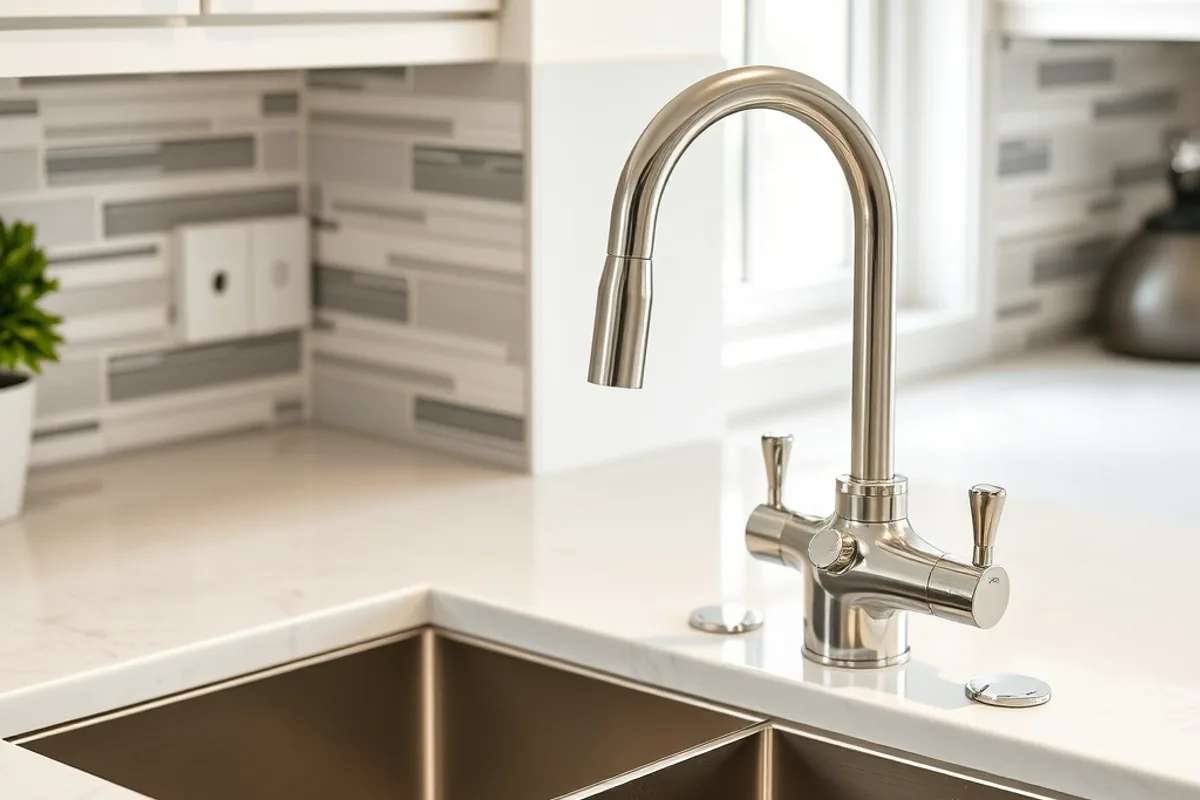
Moving a sink or a cooker point across a kitchen is expensive because it involves drains, soil pipes and cable runs. Keep the sink and hob in roughly the same zone unless the layout demands a move. A new consumer unit, additional circuits and dedicated appliance feeds can add $1,500 to $4,000 in an older house.
Plan sockets before the plasterer arrives. Count the small appliances you actually use: kettle, toaster, coffee machine, blender, mixer, air fryer. Add two spare sockets and at least one USB point. Under-cabinet lighting needs a feed and a switch, and it is far cheaper to install before the cabinets go up.
Ventilation and building control
An extractor ducted to the outside is a building requirement in most kitchens and protects the structure from moisture. Confirm the route before work starts; a duct that has to cross a joist or a cupboard run costs more than one planned from the beginning. If you are removing a wall or changing a window, involve building control early.
The sequence that protects the budget
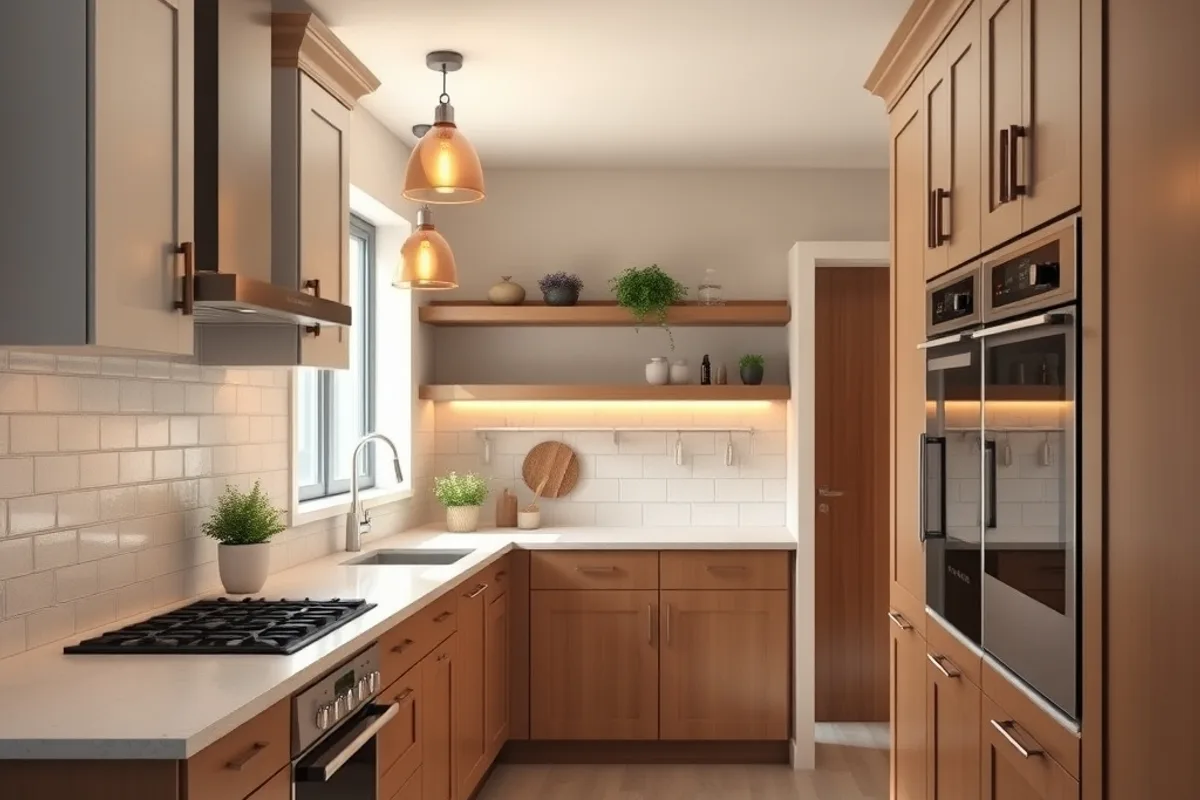
Design first, then price the design, then order. Do not buy appliances before the layout is fixed, and do not fix the layout before the services are surveyed. The correct order is: measure and survey, agree layout, confirm services and ventilation, price cabinets and worktops together, order long-lead items, then book trades in sequence.
Keep a written specification with model numbers for every item. Ambiguity is where variation charges grow. Pay trades in stages against completed work, and hold a retention of 5 percent until the snagging list is finished. Photograph the walls before they are closed so you know where pipes and cables run.
If the budget is genuinely tight, cut the worktop and appliance brands before cutting the carcass, hinges and ventilation. Cabinets and services are difficult to replace; a worktop can be upgraded later. Our kitchen layout guide explains which planning errors are expensive to fix after installation.
The bottom line
Budget by component, add 12 percent contingency, and spend first on the things you cannot easily change: layout, cabinetry internals, electrics and ventilation. Choose finishes and appliances within the remaining envelope. A kitchen that works for twenty years is planned, not purchased in one afternoon.
For official guidance, see International Code Council building standards.
We cross-check our advice against independent, official sources. For construction cost data see the National Association of Home Builders, and for building standards see the International Code Council.