A Rental Maintenance Calendar That Prevents Emergency Calls
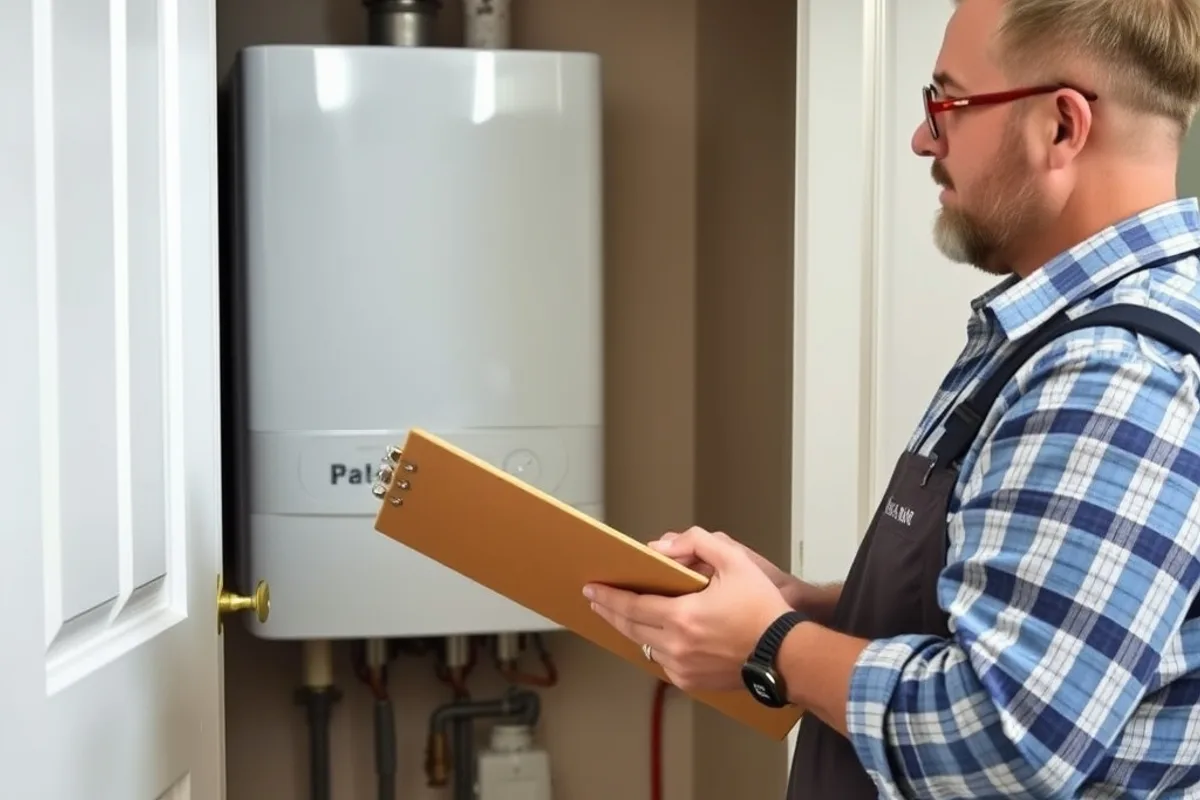
Most emergency maintenance is deferred maintenance with a deadline. The gutter that blocked in October becomes the damp patch in January. The boiler service skipped in summer becomes a cold call on the first frost. A calendar will not stop wear, but it converts expensive surprises into planned, budgeted work.
Why a calendar beats reactive repairs
Reactive maintenance is priced at the moment of maximum inconvenience. A plumber called at 11pm on a Sunday costs more than the same plumber booked for a Tuesday morning, and a burst hose costs more than the replacement hose plus ten minutes of labour. Tenants also judge a landlord by how the property behaves in a crisis, and a well-maintained unit reduces turnover.
Set aside roughly 1 percent of the property's value each year for maintenance, held separately so it is available when needed. On a $300,000 house that is about $3,000, which comfortably covers an annual boiler service, gutter clearing, alarm checks and a small contingency. Track spending against that figure so you can see whether the property is being neglected or over-serviced.
Spring: water and exterior
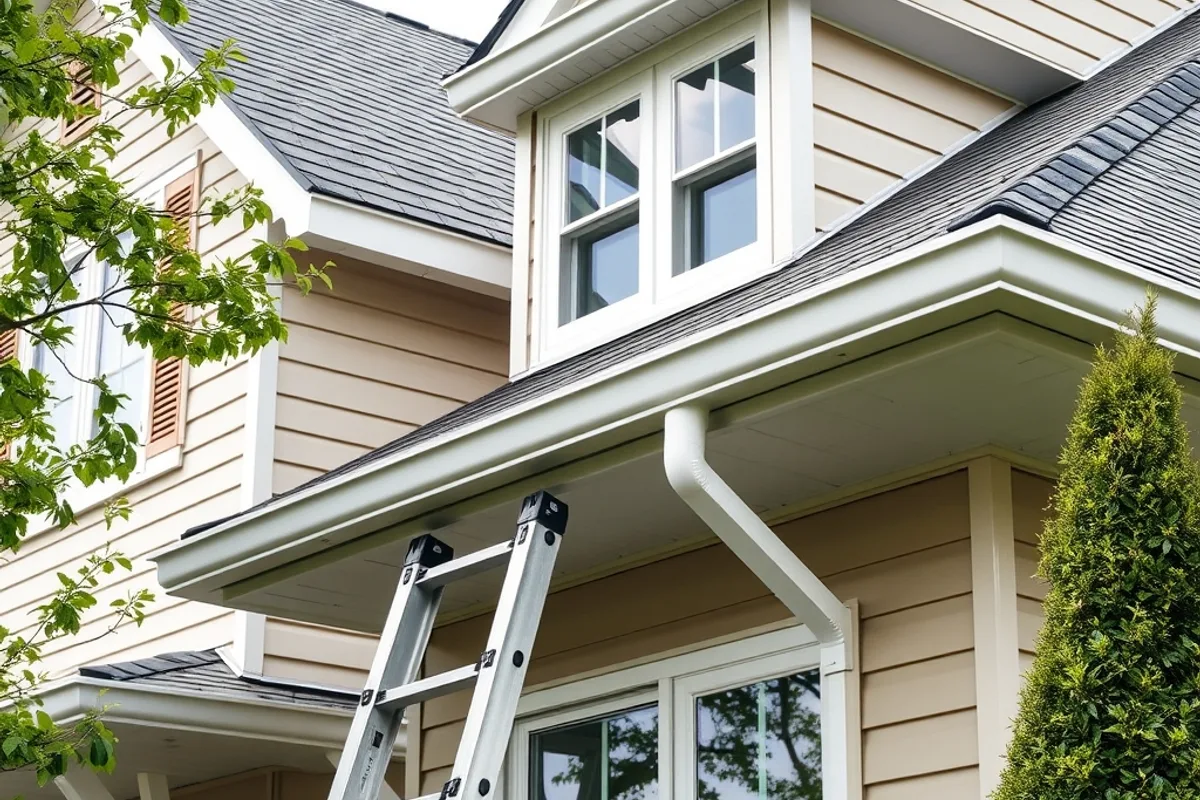
Spring is the season to inspect what winter did. Check gutters and downpipes for blockages and confirm water flows away from the foundations. Look at the roof from the ground for slipped tiles, damaged flashing or moss build-up, and book a roofer if anything looks uncertain. Check external paint, window seals and the condition of any decking or fencing.
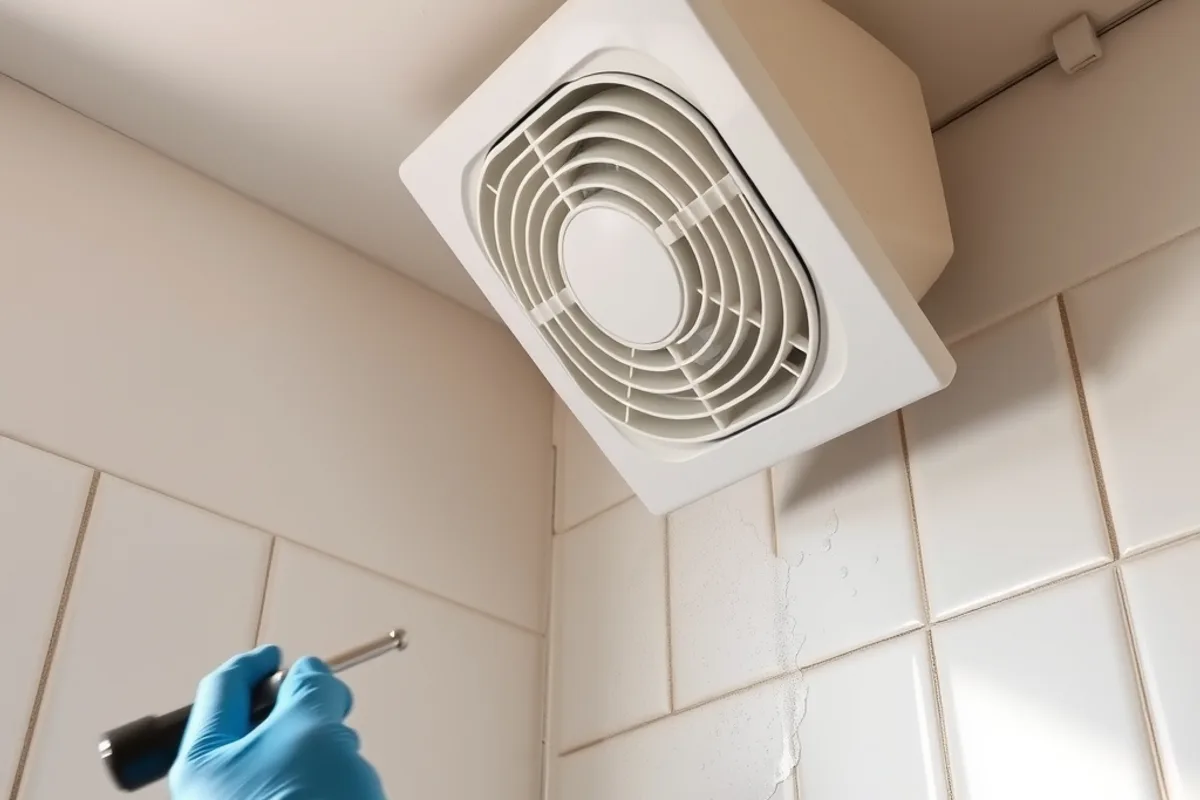
Inside, test the extractor fans in the kitchen and bathroom by holding a tissue to the grille; if it will not hold, the fan needs cleaning or replacing. Check silicone seals around baths, showers and sinks, and renew any that have gone black or lifted. Re-grout where needed rather than waiting for water to reach the floor structure.
Heating and hot water
Book the annual boiler service in spring or early summer when engineers are less busy and cheaper to schedule. Ask for the service record in writing. Bleed radiators, check the pressure gauge and confirm the thermostat responds. If the property has a hot water cylinder, check the immersion and the pressure relief valve.
Summer: exterior projects and safety
Summer is for the work that needs dry weather: repainting external woodwork, treating decks, clearing paths and checking drainage. It is also the best time to review insulation and ventilation, because problems are easier to diagnose when the heating is off. Clean windows, check fly screens and inspect any air conditioning unit.
Run a full safety check: smoke alarms on every floor, carbon monoxide alarms near any fuel-burning appliance, and a fire extinguisher or blanket in the kitchen if the tenancy requires one. Test each alarm and record the date. Check that escape routes are clear and that any communal areas are lit.
This is also the moment to inspect the interior properly. Look for hairline cracks that have widened, damp patches behind furniture, and signs of pest activity. Photograph anything unusual with a date so you can track whether it is stable or progressing.

Autumn: prepare for wind and rain
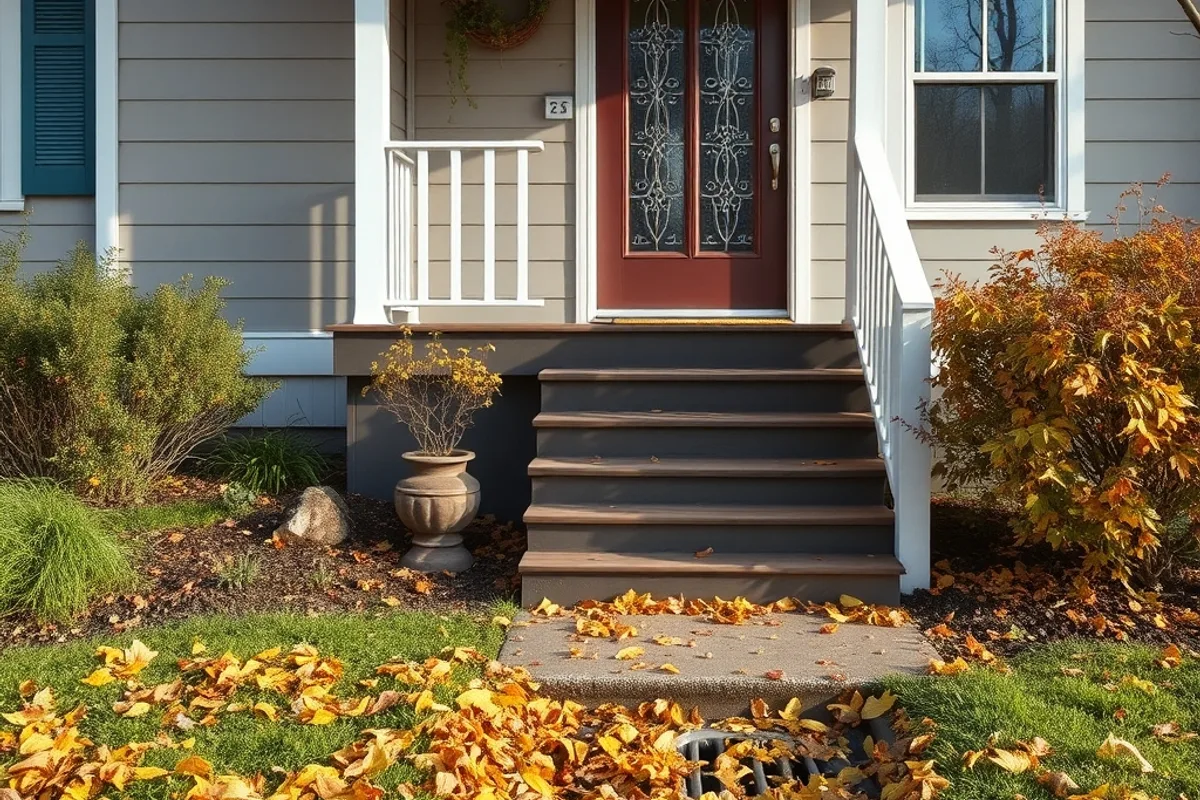
Clear gutters again after leaf fall, and check that drain covers and gullies are free of debris. Insulate exposed pipework and check the loft insulation is undisturbed. Confirm the heating works before the first cold snap, and replace any failed radiator valves. If the property has a garden, cut back overhanging branches and secure loose fencing.
Ask tenants to report any draughts, condensation or damp as soon as they appear. Condensation is often a ventilation issue rather than a structural one, so check extractor fans and trickle vents before assuming the worst. Provide a simple guide to airing the property in winter, especially in smaller units where moisture builds quickly.
Boiler and alarm prep
Test the heating for ten minutes and check every radiator heats evenly. A cold patch at the top usually means air; a cold patch at the bottom usually means sludge. Book a power flush only if the evidence supports it, not because a contractor suggests it. Replace alarm batteries at the same time each year so the habit is tied to the calendar.
Winter: water, heat and quick response
Winter is the season to protect against frozen pipes and water damage. Confirm the stopcock works and show the tenant where it is. Insulate any pipe in a cold space, and if the property will be empty, set the heating to a frost setting rather than turning it off entirely. Check external taps and drain them down.
Keep a small stock of spare parts: tap washers, a torch, fuses, a basic tool kit and a note of the trusted trades. A tenant who can isolate a leak and call the right person quickly prevents the kind of damage that closes a property for months. Make sure your contact details and emergency procedure are in the tenancy pack.
After any storm, ask the tenant to report roof damage, damp or leaks immediately. A quick inspection of the ceiling and loft after heavy rain is cheaper than a plaster repair and a mould remediation job.
The records that matter
Keep a maintenance log with dates, work done, contractor name and cost. Retain service records for the boiler, safety certificates, alarm test records and photographs of the property at the start and end of each tenancy. These documents protect the deposit and demonstrate compliance if a dispute arises.
Review the calendar every quarter and adjust it to the property. A flat with no garden needs a different schedule from a house with mature trees. The aim is not a perfect checklist but a repeatable routine that catches small problems while they are still cheap.
For a deeper look at the numbers behind a well-run tenancy, read our rent pricing guide, which explains how maintenance and vacancy costs feed into the rent you should set.
The bottom line
Inspect once per season, test alarms monthly, clear gutters twice a year and service the boiler annually. Log everything, budget about 1 percent of value each year, and keep the tenant informed. The best emergency call is the one that never happens.
For official guidance, see International Code Council building standards.
We cross-check our advice against independent, official sources. For construction cost data see the National Association of Home Builders, and for building standards see the International Code Council.