Low-Maintenance Garden Design That Still Looks Intentional
Low maintenance does not mean bare. The gardens that look good with two hours a week are the ones with strong structure, generous planting density and hard landscaping that does not need repairing every spring. The trick is to spend the effort at the design stage instead of every weekend.
Design the bones first
Structure is what carries a garden through the seasons: paths, boundaries, a tree, a hedge, a change of level. Decide these before choosing a single flower. A garden with clear structure still looks intentional in February, when the perennials have died back and the lawn is dormant.
Use a small palette of hard materials and repeat them. One paving type, one gravel, one timber and one metal finish is enough for most domestic gardens. Repetition makes a small space feel larger and reduces the number of materials that need cleaning, sealing or replacing.
Replace lawn where it does not earn its place
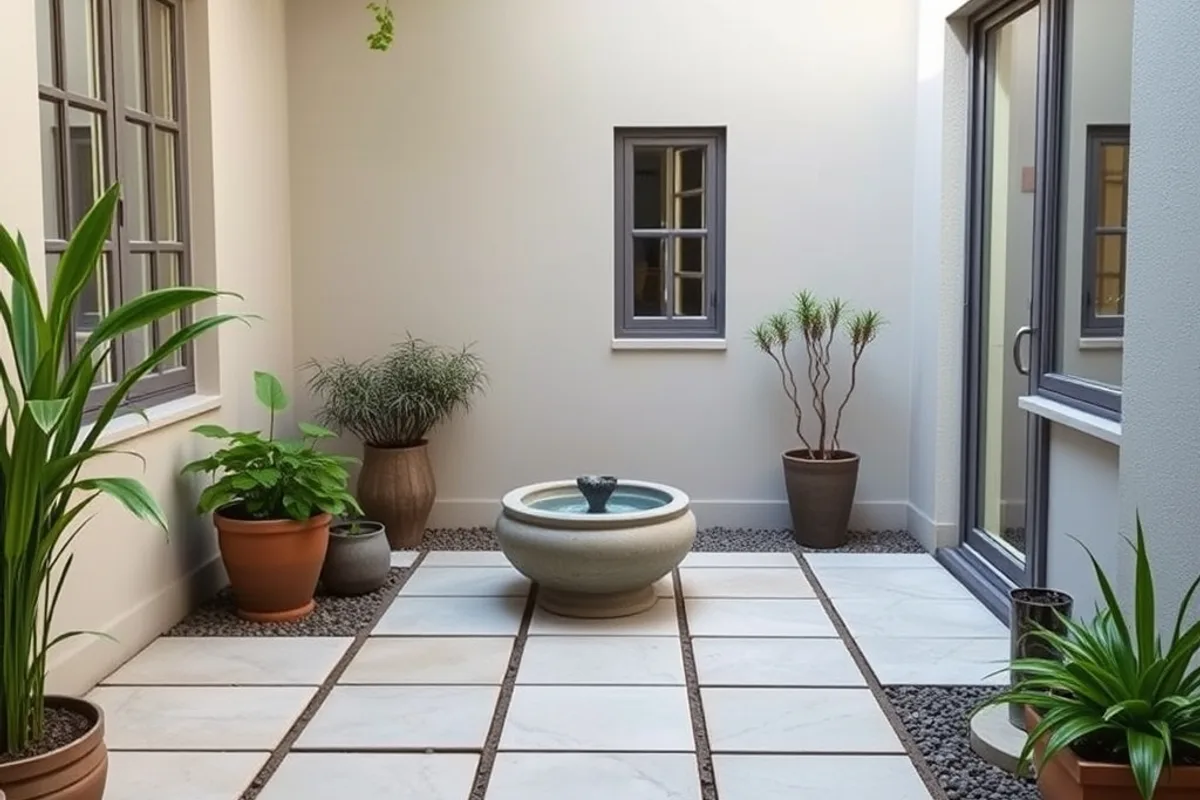
Lawn is the most labour-intensive surface per square metre: mowing, edging, feeding, watering and repairing. Keep it if children use it, but reduce it to the area that is actually played on. Replace the rest with gravel, paving, ground-cover planting or a mulched border.
A simple rule is to keep one shape of lawn rather than several awkward strips. Curved lawns are slower to edge than straight ones, and narrow strips between borders are difficult to mow. If you keep grass, choose a slow-growing seed mix and allow it to go slightly longer in dry spells.
Ground cover beats bare soil
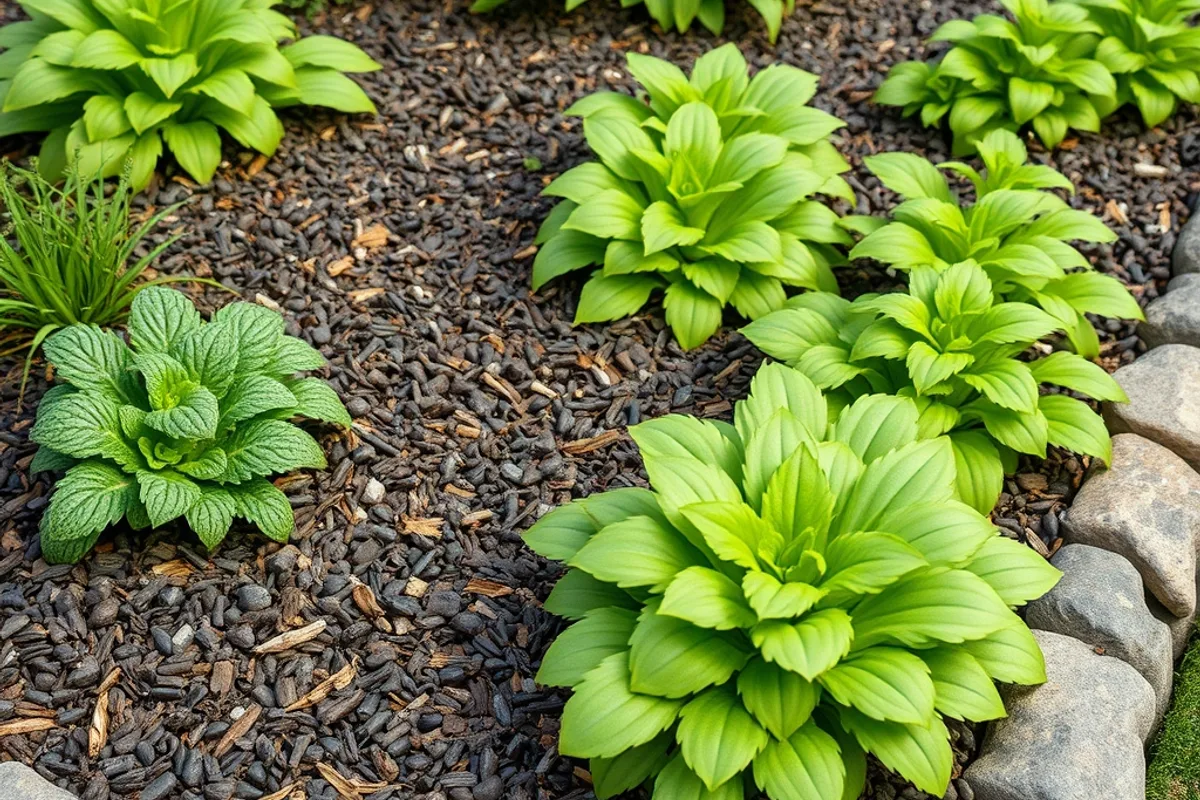
Bare soil grows weeds. Cover it with plants or mulch, ideally both. Ground-cover perennials such as geranium, vinca, epimedium and hardy geraniums spread to form a weed-suppressing mat. Mulch 7 to 10 centimetres deep around them, keeping it clear of stems, and top it up each spring.
Choose plants for resilience, not just colour
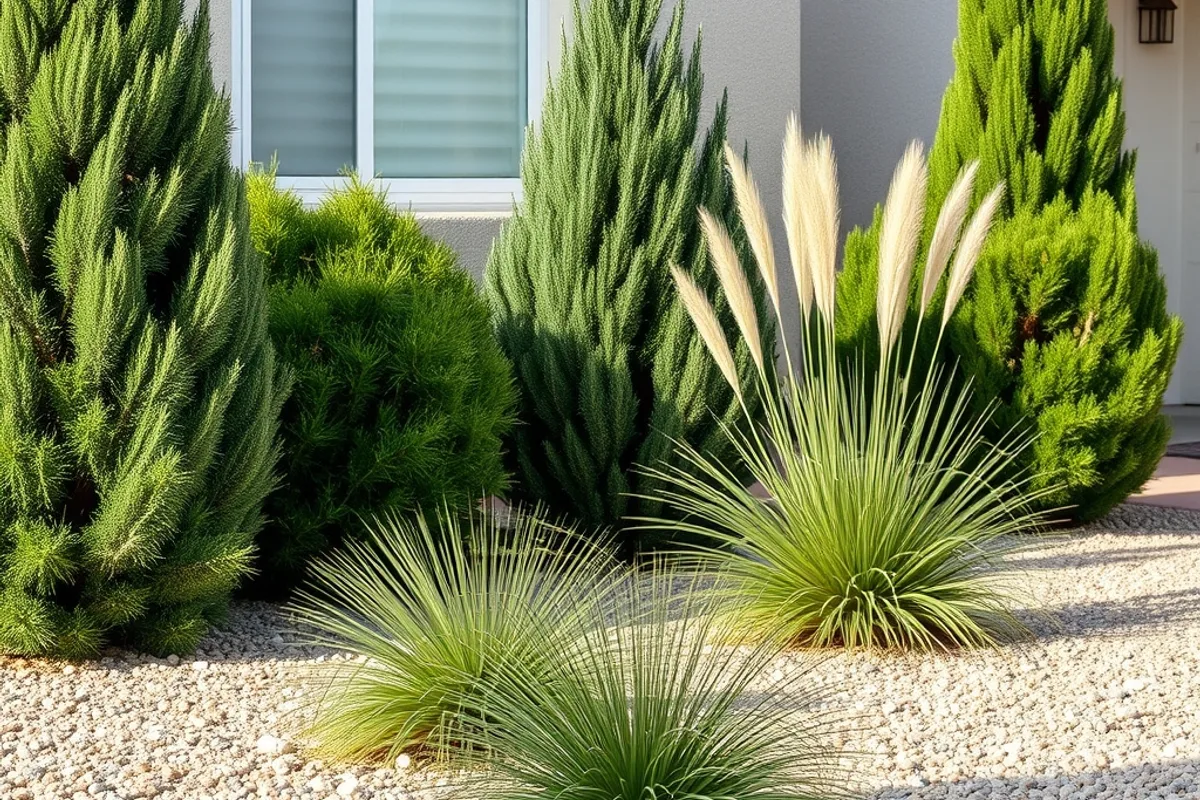
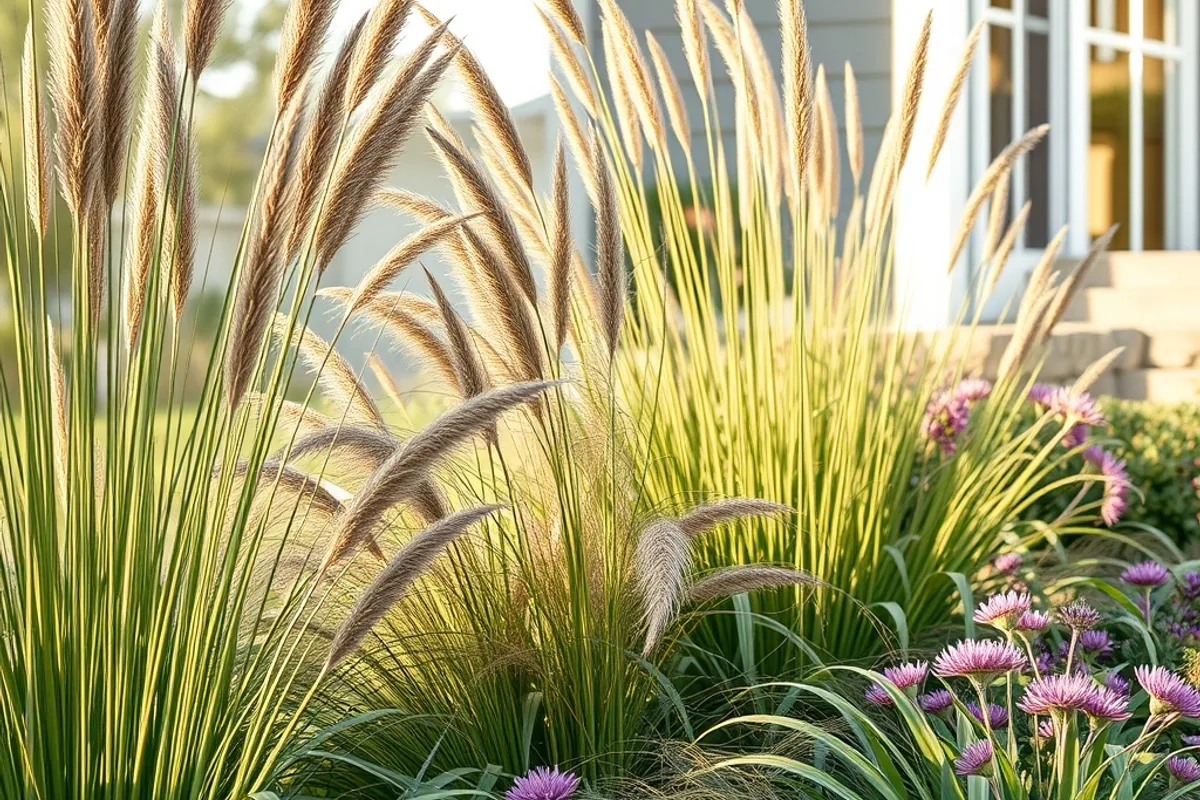
Drought-tolerant plants reduce watering and survive heatwaves. Grasses, lavender, rosemary, sedum, perovskia, santolina and verbena all perform well in free-draining soil and full sun. In shade, use epimedium, hellebore, ferns and hardy geraniums rather than thirsty bedding plants.
Group plants by water need so that one irrigation zone does not overwater the drought lovers. Plant in autumn where possible, so roots establish before summer. Water deeply for the first year, then reduce once the plants are settled; shallow daily watering encourages weak roots.
Right plant, right place
Check the soil, the light and the space the plant will reach at maturity, not the size in the pot. A shrub that grows to two metres will swallow a one-metre border within three years, and pruning it back becomes the maintenance you were trying to avoid. Read the label and believe it.
Hard landscaping that ages well
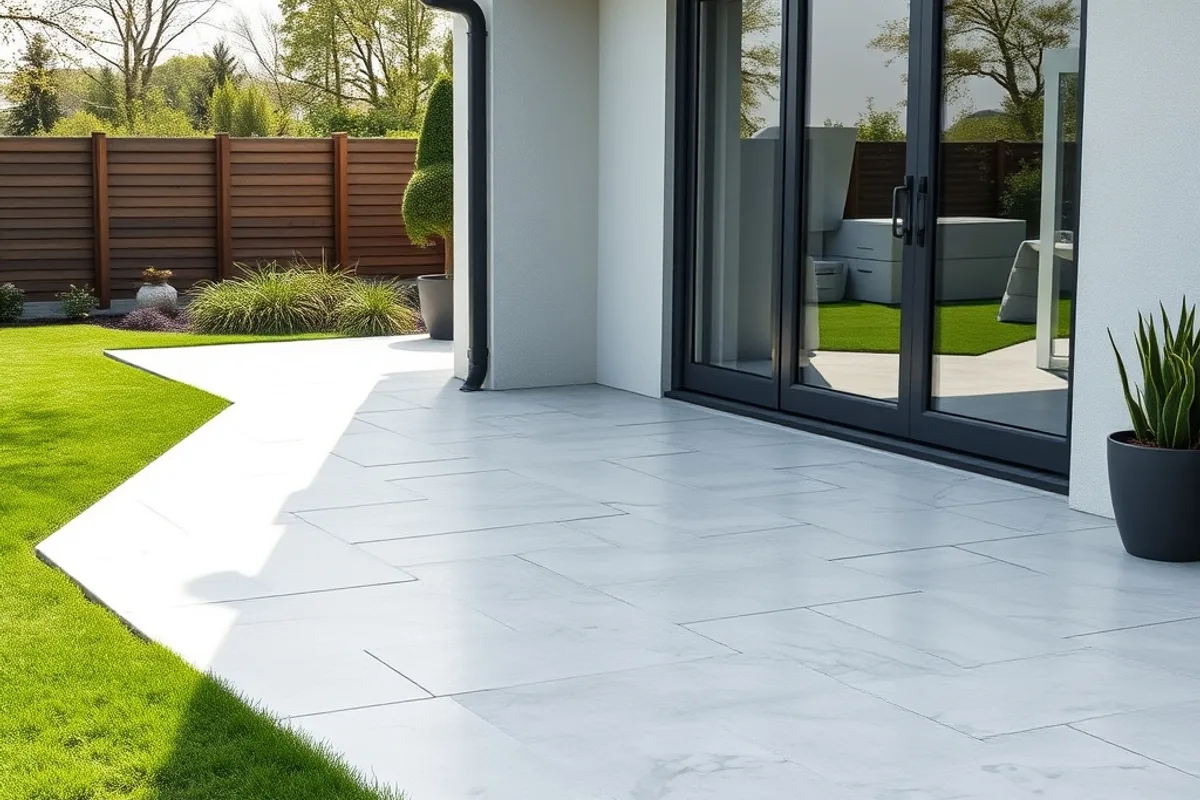
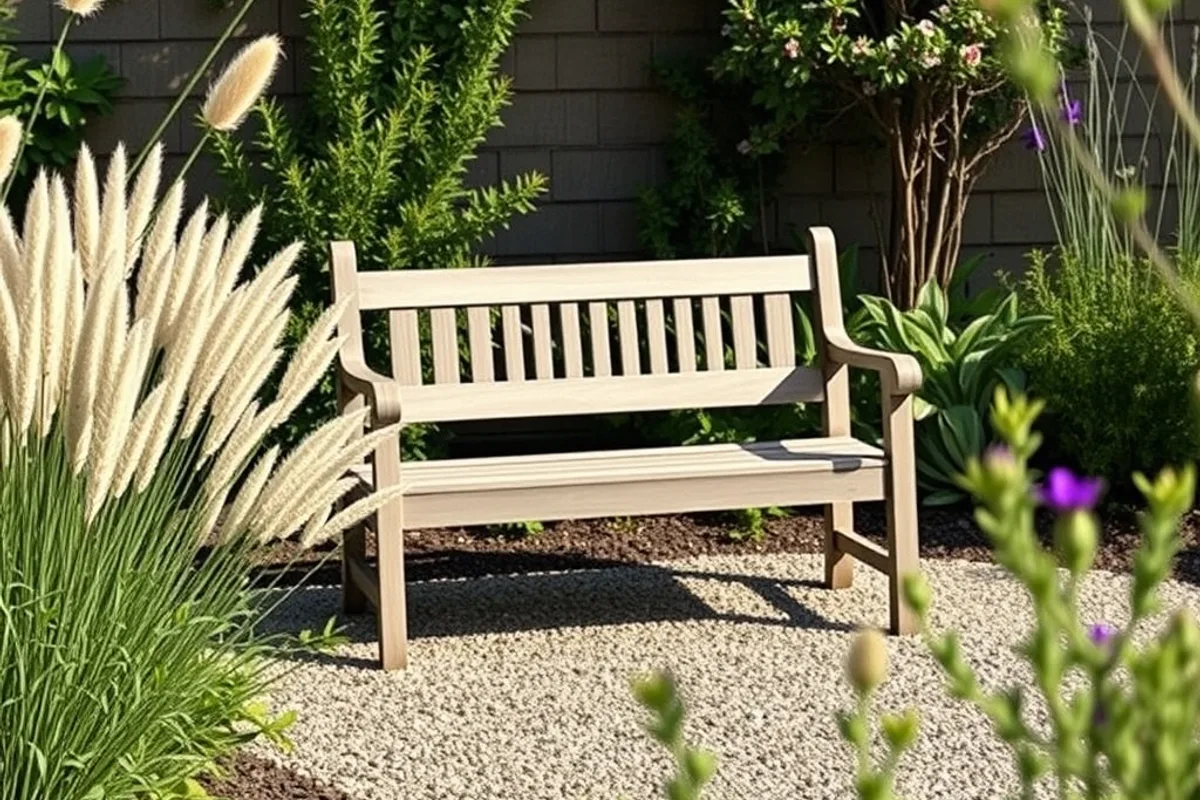
Porcelain paving is dense, frost-resistant and easy to clean, but it needs a proper sub-base and falls for drainage. Natural stone softens with age and suits period properties, though it can be slippery when wet. Gravel is the cheapest surface and excellent for drainage, but it migrates into borders and needs a stabilising grid if used on a slope.
Decking is comfortable underfoot and quick to install, but timber needs cleaning and re-oiling every year or two. Composite decking costs more upfront and needs less maintenance, though it can get hot in direct sun. Whichever you choose, design in drainage: a patio that holds water will fail faster than any other element in the garden.
Edging and boundaries
Metal or timber edging keeps gravel out of borders and gives a crisp line that makes the whole garden look maintained. A hedge is cheaper than a fence over twenty years and provides habitat, but it needs trimming once or twice a year. Choose a slow-growing species such as yew or hornbeam if you want a formal line without constant clipping.
Watering and the two-hour weekend
Install a drip irrigation system on a timer for pots and newly planted borders. It costs a few hundred pounds or dollars and saves both water and plant losses during holidays. Group pots near a tap, use large containers that hold moisture, and mulch the surface to reduce evaporation.
Set a simple routine: one hour in spring to cut back and mulch, one hour in autumn to clear leaves and check drainage, and ten minutes a week in summer to deadhead and water. That is enough for a well-designed garden. The rest is enjoyment.
For the hard surfaces that frame the planting, our patio and deck materials comparison sets out the costs and maintenance of each option.
The bottom line
Low maintenance is a design decision: strong bones, dense planting, generous mulch, reduced lawn and a small, repeated material palette. Spend on structure and soil preparation first, then on plants that suit the site. A garden should reward attention, not demand it.
For official guidance, see International Code Council building standards.
We cross-check our advice against independent, official sources. For construction cost data see the National Association of Home Builders, and for building standards see the International Code Council.